
WELCOME TO WIRELUBE
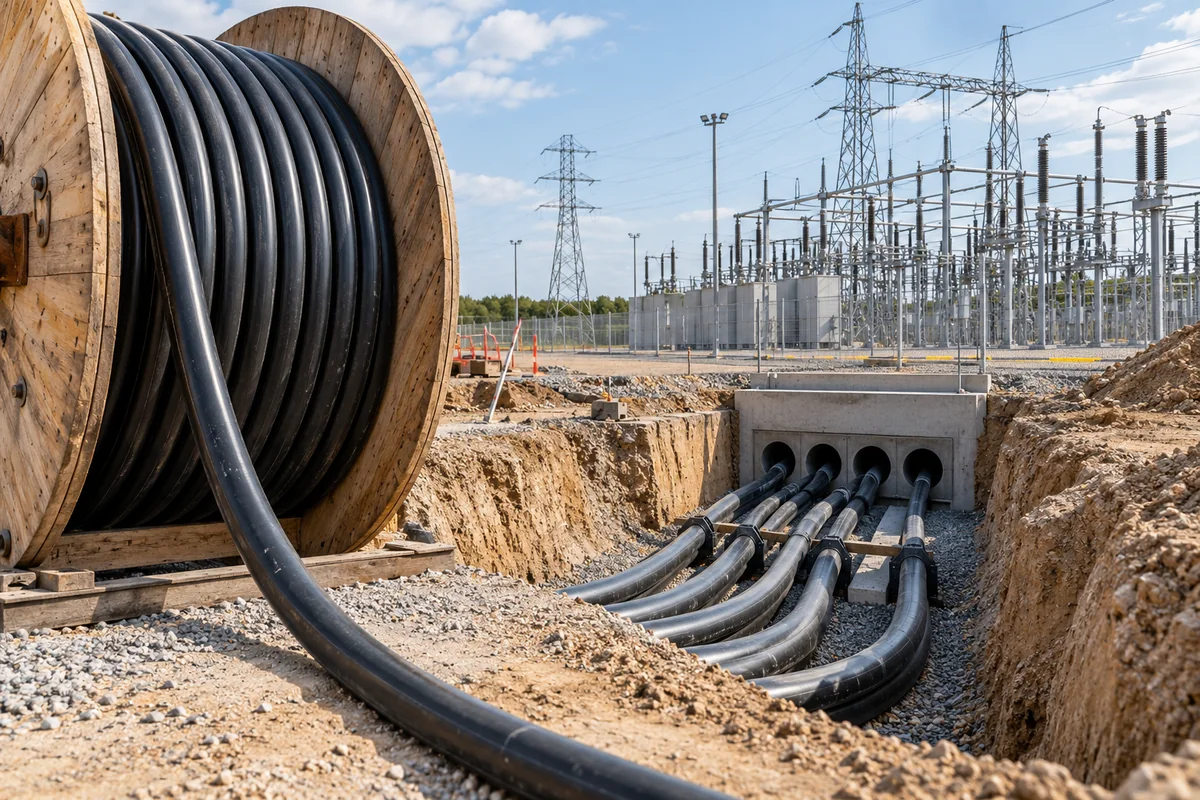
Utility networks require planned cable installation across underground duct routes and connections between network assets. WIRE LUBE cable pulling lubricants help reduce friction during suitable transmission and distribution cable pulls.
Long duct sections, multiple bends, and changes in route elevation can affect pulling conditions. A suitable lubricant forms one part of the engineered pulling plan, alongside tension calculations, duct preparation, and cable handling arrangements.
Cable pulling support for underground cables, transmission, and distribution networks.
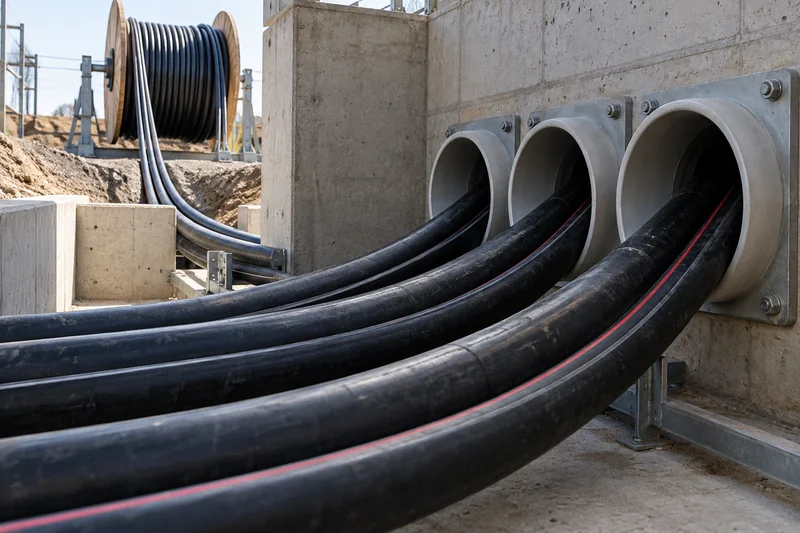
Lubrication helps manage friction across the planned ducted cable route.
An appropriate application method supports controlled travel through successive duct sections.
Product selection can be reviewed against utility material and cable installation requirements.
Share the cable construction, voltage class, duct arrangement, route profile, and utility specifications. Use the approved pulling calculations and product data to determine the installation method.
Explore WIRE LUBE products or contact our team to discuss your project requirements.
Discuss Your ProjectFind answers to common questions about cable installation, product selection, and project planning for Utilities & Power Distribution.
Suitable pulling lubricants can be reviewed for compatible power cables installed through underground ducts. Selection should follow the utility specification, cable manufacturer guidance, and the approved installation method for the particular network project.
The route still requires assessment of pulling tension, bend radius, and sidewall pressure for the selected cable. Lubrication supports friction management within that plan and should be considered alongside duct preparation, access, and the proposed pulling equipment.
Useful information includes the cable construction and diameter, duct arrangement, section lengths, elevation changes, and bend positions. Route drawings and the applicable utility specification help the installation team review the pulling method and material requirements.
Ducted cable sections serving substation connections, replacement feeders, and network extensions can be considered where the cable and pathway are compatible. Product use remains subject to the utility owner's material approval and installation requirements.
These applications focus on cable pulling through enclosed ducts and conduits. Overhead conductor installation uses different methods and equipment, so the materials for that work should be selected separately under the relevant project specification.
Review the duct condition, route access, available space, and any existing cable materials that may contact the lubricant. Include these findings in the project assessment before finalizing product selection and the cable installation sequence.