
WELCOME TO WIRELUBE
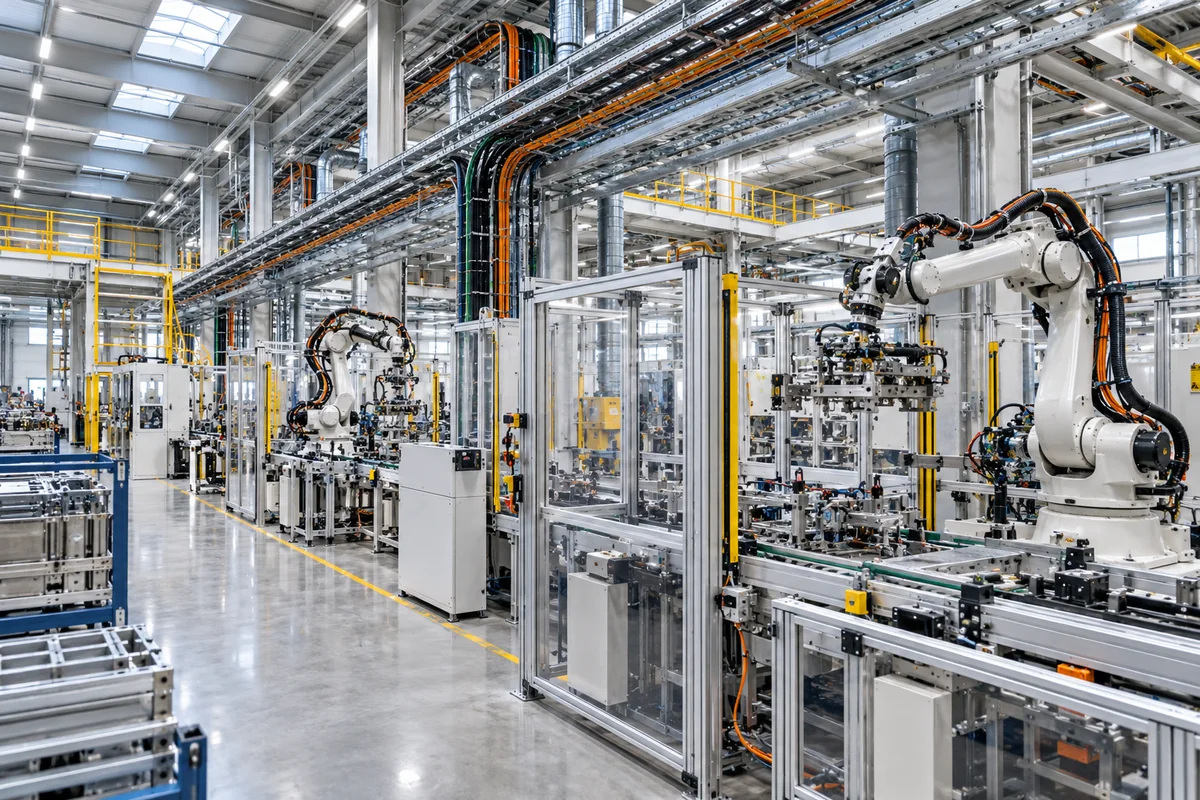
Manufacturing facilities rely on power, control, and communication cables to connect production equipment. WIRE LUBE cable pulling lubricants support suitable conduit and duct installations for machinery supplies, automation systems, and industrial electrical networks.
Production line additions and equipment relocation often introduce new cable routes within existing facilities. Reviewing cable compatibility and application requirements in advance helps teams coordinate installation work with the wider maintenance or construction schedule.
Cable installation lubrication for factory automation, machinery, and industrial electrical systems.
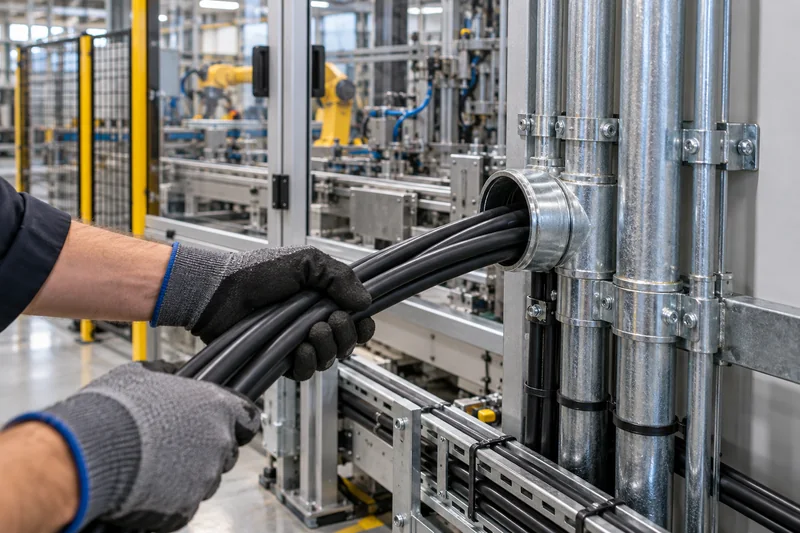
Lubrication helps reduce resistance along approved cable routes.
Select the product around the jacket and conduit materials used in each installation.
Include lubricant quantities and application steps in the installation material plan.
Provide machinery cable specifications, route dimensions, and the installation schedule. Highlight any process-area restrictions or materials that need approval before bringing products onto the site.
Explore WIRE LUBE products or contact our team to discuss your project requirements.
Discuss Your ProjectFind answers to common questions about cable installation, product selection, and project planning for Industrial & Manufacturing.
It can be considered for compatible control, signal, and communication cables pulled through suitable conduits or ducts. Confirm the jacket materials and the cable manufacturer's installation guidance for the particular automation system before selecting a product.
Cable pulling lubricant is intended for cable installation applications. Bearings, gears, chains, and other machine components have their own lubrication specifications, so the cable product should not be substituted for the lubricant specified by the machinery manufacturer.
Review the cable jacket, conduit condition, available access, and surrounding process requirements. Coordinate with the facility team to identify material restrictions and installation procedures that apply around operating equipment or production areas.
Machinery relocation and production line changes may require new cable pulls through existing or extended conduits. Assess the route, cable compatibility, and application requirements as part of the wider installation work package and maintenance schedule.
A factory may use several power, control, and communication cable constructions. Confirm product suitability for each jacket and pathway material rather than assuming a product selected for one circuit is appropriate for every cable in the facility.
Provide the machinery or system cable specifications, route dimensions, anticipated quantities, and installation dates. Mention process-area restrictions and any documentation or material approval requirements so these can be considered during product review.