
WELCOME TO WIRELUBE
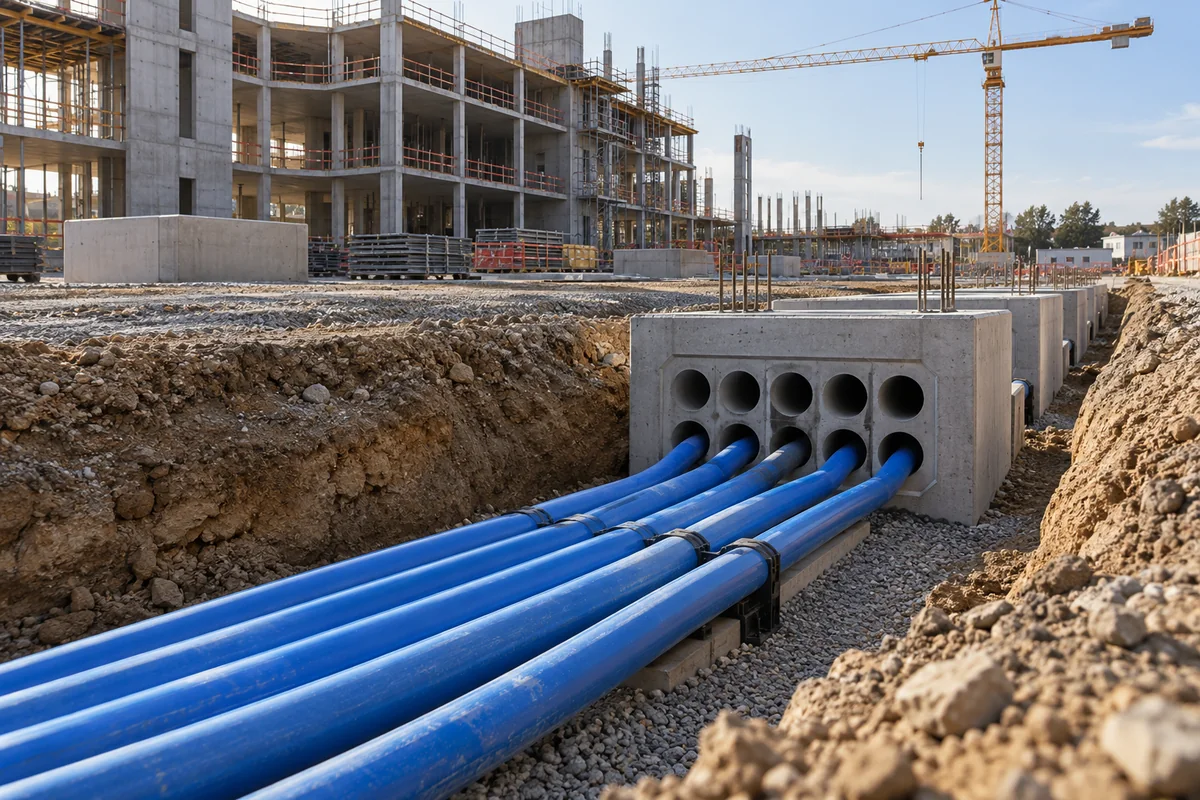
Construction projects bring power and communication cables through risers, conduits, and underground ducts. WIRE LUBE cable pulling lubricants help manage friction during these installations, supporting the electrical work that connects a completed structure.
Commercial buildings, tunnels, and public infrastructure can combine long horizontal routes with vertical sections and restricted access. Planning the pulling sequence and lubricant application together helps installers work through these route conditions.
Cable pulling support for commercial buildings, tunnels, and infrastructure projects.
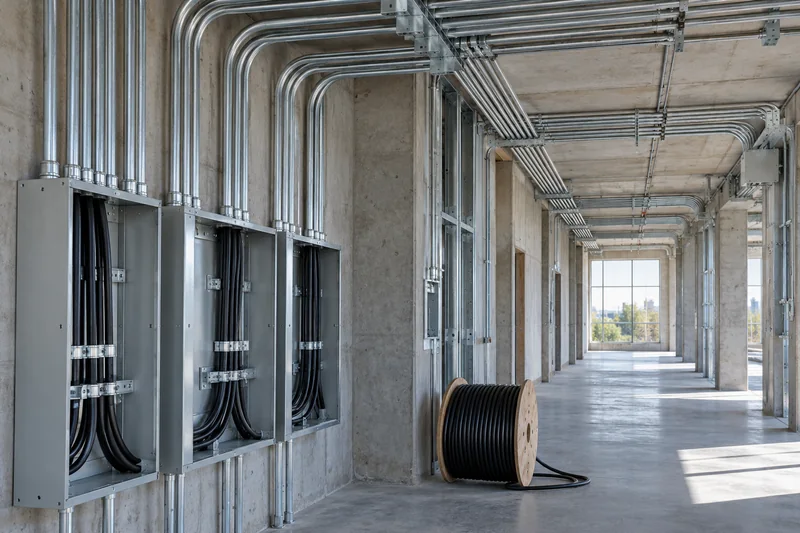
Compatible lubrication helps manage friction at changes in direction along the conduit route.
Plan application at accessible entry points as part of the installation sequence.
Reduced sliding resistance helps limit abrasion while cables move through suitable ducts.
Share the building or infrastructure type, cable schedule, conduit sizes, and route drawings. Identify vertical runs, bends, and access points so the application approach can be reviewed.
Explore WIRE LUBE products or contact our team to discuss your project requirements.
Discuss Your ProjectFind answers to common questions about cable installation, product selection, and project planning for Construction & Infrastructure.
It can be considered for compatible cables pulled through electrical conduits, risers, and underground ducts serving a building. The cable materials, route conditions, and approved installation method determine whether lubrication is appropriate for each section.
Tunnel projects may include suitable ducted power and communication cable routes. Review the proposed product against the cable and duct materials, environmental conditions, and project material requirements before including it in the installation plan.
Include it while preparing the cable schedule, material submittals, and pulling method. Early coordination gives the team time to check compatibility, arrange quantities, and identify accessible application points before conduits and service routes become difficult to reach.
Identify vertical sections, changes in direction, and access points on the route drawing before installation. The contractor should assess the pulling sequence and cable limits, then plan any approved lubricant application as part of that method.
Compatible cable pulls in fit-outs, extensions, and refurbishment projects can be reviewed for lubricant use. Existing conduit condition, available space, and contact with installed cables should be checked before selecting the product and application approach.
Share the project type, cable schedule, conduit sizes, route lengths, and expected installation dates. If available, include drawings showing risers, bends, and access points, together with any specified material approval or documentation requirements.