
WELCOME TO WIRELUBE
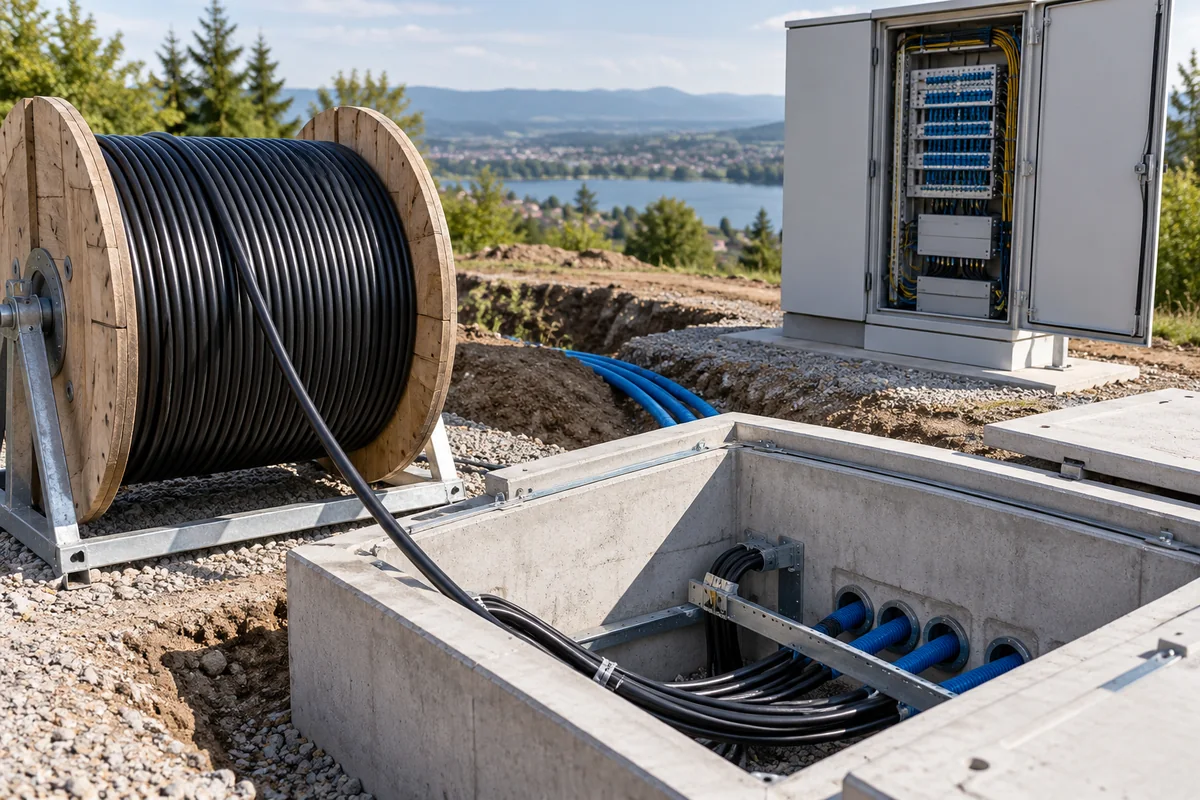
Fiber optic and communication networks connect buildings, campuses, and communities. WIRE LUBE cable pulling lubricants help reduce contact friction during suitable cable pulling operations in telecom conduits and duct systems.
Communication cables need controlled handling, especially along routes with bends or limited access. A suitable lubricant complements the installer's pulling method while the cable manufacturer's tensile load and bend radius limits remain central to the work.
Lubrication solutions for fiber optic cables and communication networks.
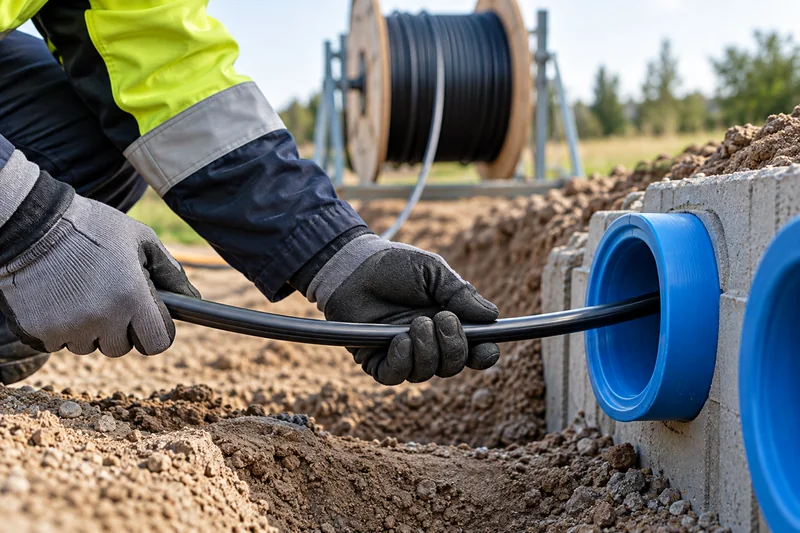
Lubrication supports smoother travel where the cable jacket contacts the duct wall.
Managing friction helps installers maintain controlled movement along the planned route.
Suitable for consideration during new cable pulls and upgrades using approved installation methods.
Tell us whether the cable will be pulled or installed by another method, and share jacket, duct, and route details. Fiber blowing and microduct systems require method-specific lubricant approval.
Explore WIRE LUBE products or contact our team to discuss your project requirements.
Discuss Your ProjectFind answers to common questions about cable installation, product selection, and project planning for Telecommunications Industry.
A pulling lubricant can be considered when it is confirmed as compatible with the fiber cable jacket and duct system. Follow the cable manufacturer's installation instructions, including pulling load limits and the handling method specified for that cable.
Pulling and blowing use different equipment and installation methods. A product approved for a conventional cable pull should not automatically be used in a blowing system; confirm suitability with the equipment, cable, and microduct requirements first.
Use the limits provided for the selected cable and prepare the route and pulling method around them. Lubrication supports friction management, while the installer remains responsible for handling, pulling equipment, monitoring, and the approved installation procedure.
Compatible conduit and duct routes connecting buildings or network rooms may be suitable applications. Share the route length, access points, cable jacket, and duct construction so the product selection can be reviewed for that installation.
Existing duct routes need to be assessed for usable space, condition, and the materials already present. Confirm that the chosen lubricant is suitable for the new cable and any existing cable jackets it may contact during the pull.
Provide the fiber or communication cable specification, duct or microduct dimensions, route drawing, and proposed installation method. Indicate whether the work involves pulling, blowing, new infrastructure, or an upgrade so the enquiry is directed to the right product review.