
WELCOME TO WIRELUBE
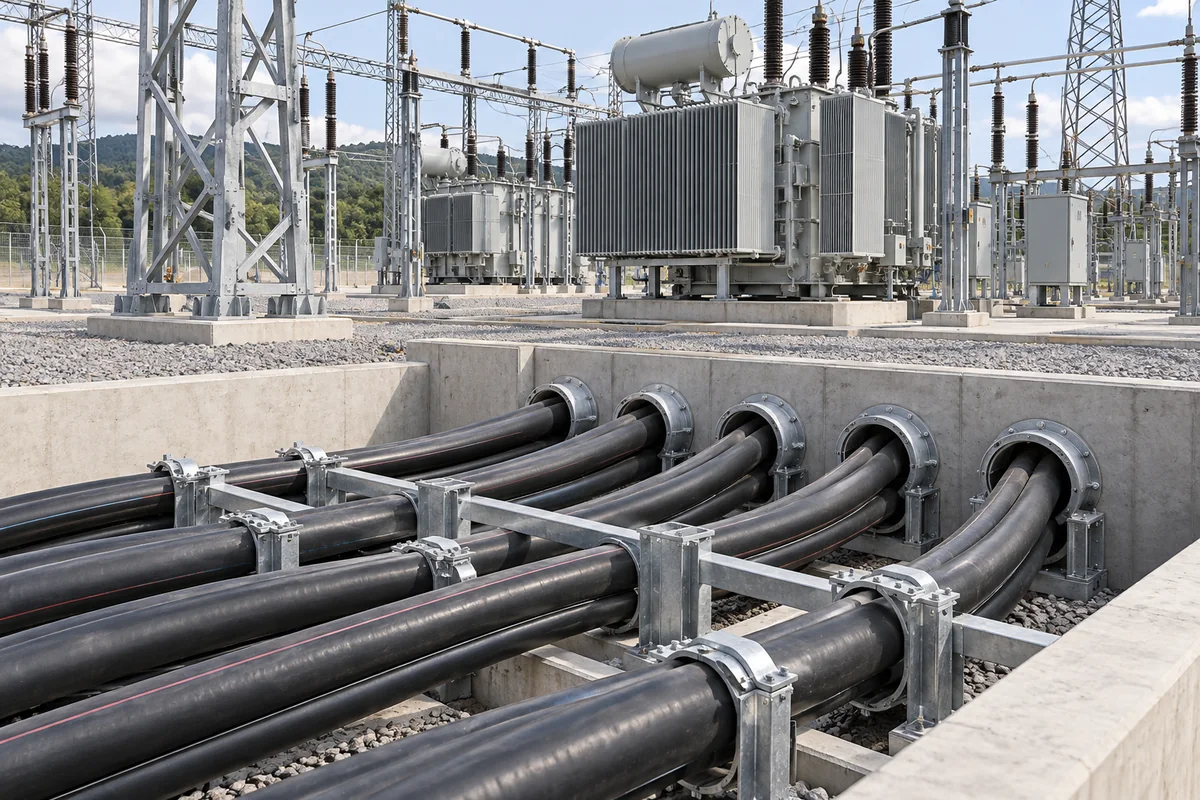
Electrical networks depend on carefully installed cables, from building power supplies to substation connections. WIRE LUBE cable pulling lubricants help reduce friction as cables travel through conduits and ducts, supporting a more controlled installation process.
Routes with bends, changes in level, and multiple cable runs require careful planning. Include lubricant selection in your pulling plan alongside cable dimensions, duct condition, and the cable manufacturer's installation limits.
Cable pulling lubrication for power cables, electrical networks, and substations.
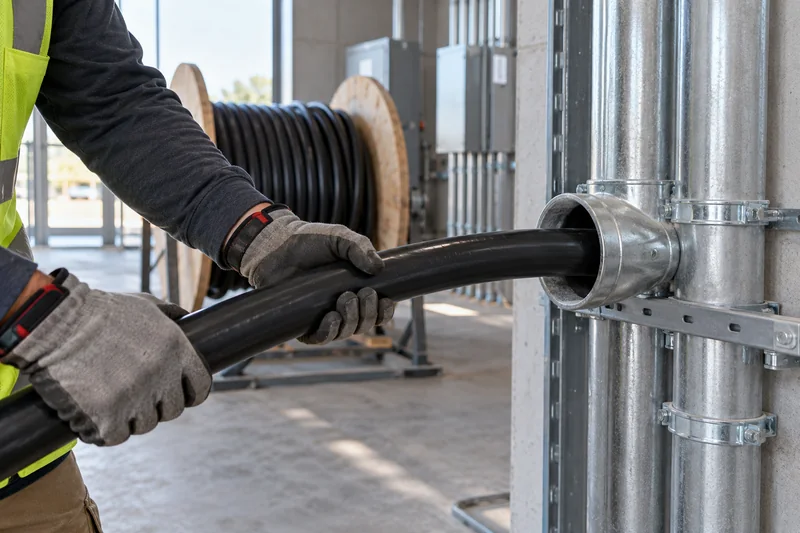
Lubrication helps cables move through contact points along the route with less friction.
Reducing sliding friction helps limit abrasion during a correctly planned cable pull.
Consistent application supports steady cable movement through bends and longer duct sections.
Share the cable jacket material, cable diameter, duct size, route length, and number of bends. These details help identify a suitable lubricant and application approach for the project.
Explore WIRE LUBE products or contact our team to discuss your project requirements.
Discuss Your ProjectFind answers to common questions about cable installation, product selection, and project planning for Electrical & Power Industry.
Cable pulling lubricant is applied during suitable pulls through conduits and ducts, especially where the cable jacket contacts the route surface. Application points and quantities should follow the selected product instructions and the approved installation method.
Start with the cable jacket specification, conduit material, and expected installation conditions. Compare these details with the lubricant documentation and obtain confirmation of compatibility from the relevant manufacturers before including the product in the project material schedule.
It can be considered for compatible ducted power, control, instrumentation, and auxiliary cable routes within a substation project. The choice should follow the project specification and any material approval requirements set by the owner or installation contractor.
Lubrication is one part of the installation plan. Cable pulling tension, bend radius, and sidewall pressure limits still need to be assessed, and the installation team should use the approved method for the cable construction and route geometry.
Please provide the cable type and jacket material, cable diameter, duct dimensions, route length, and number of bends. Route drawings and the installation schedule are also useful when discussing product selection, application points, and supply requirements.
Replacement work and extensions may involve compatible cable pulls through existing conduits. The route condition, remaining space, and existing cable materials should be reviewed before choosing a lubricant and preparing the pulling sequence.